Bio-Baroque
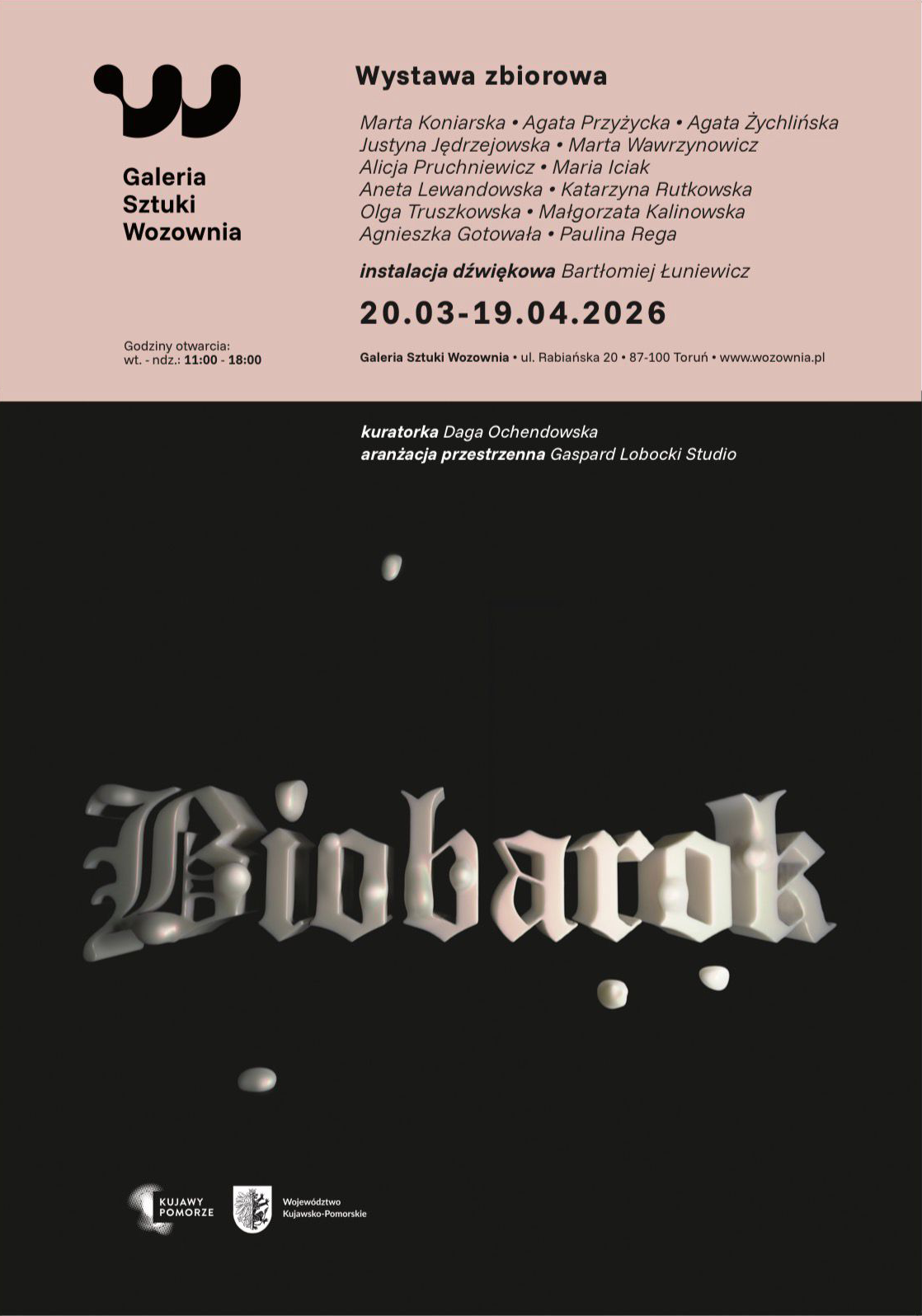
Artist Marta Koniarska, Agata Przyżycka, Agata Żychlińska, Paulina Rega, Małgorzata Kalinowska, Justyna Jędrzejowska, Olga Truszkowska, Marta Wawrzynowicz, Agnieszka Gotowała, Alicja Pruchniewicz, Aneta Lewandowska, Maria Iciak, Katarzyna Rutkowska
How can the Baroque, so commonly associated with transience and vanity (vanitas), function with the prefix bio? To better understand this apparent oxymoron, we must return to the mid-nineteenth century. Prior to that moment, no one yet recognized the Baroque – now conventionally assigned to the period between the sixteenth and eighteenth centuries – as an epoch linking the Renaissance with the Enlightenment, although this periodization itself is not free of simplifications. At its etymological origin, the word “baroque” functioned as a term used by jewelers, referring to pearls that were not perfectly round. Baroque means imperfect. This, at least, is how the term appears in the Italian Universal Dictionary of 1690.
In the history of art, the first to distinguish the Baroque was Jacob Burckhardt (1855), who described it as a decadent and degraded form of art. Yet his student, Heinrich Wölfflin, granted the Baroque the status of an autonomous epoch. This did little to quell the controversies circulating at the time. Benedetto Croce, for instance, expressing his disapproval of the phenomenon, described it as Varietà del brutto – a variety of ugliness. Friedrich Nietzsche thought similarly. With one important difference: for him, Baroque art corresponded less to a clearly defined historical moment than to a recurring tendency in the history of forms, claiming that it emerges whenever great art begins to decline. And here I pause for a breath, as we approach the core of the matter. The Baroque ceases to be the name of an epoch and becomes instead a category describing a recurring moment of heightened tension within culture.The present moment and particularly the past year within the institutional sphere of Polish culture seems to bear similar signs. Controversies, scandals, and dramas that have unfolded in the public sphere have revealed just how deeply divided the artistic community has become. The discourse has come alive. Playing with Nietzsche’s thought, one might advance the thesis that we are living through a Baroque moment. A living and pulsating one. A Bio-Baroque.
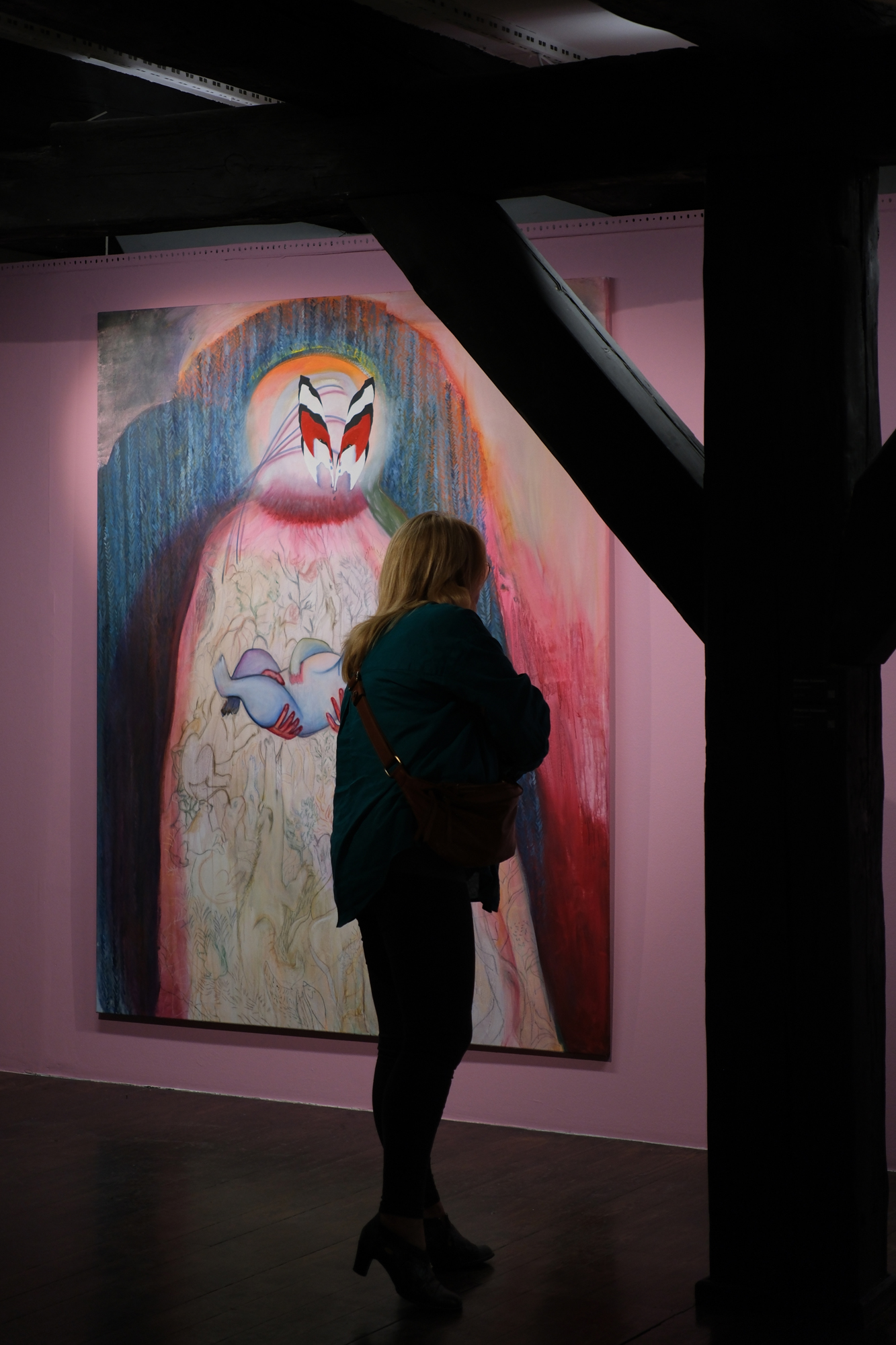
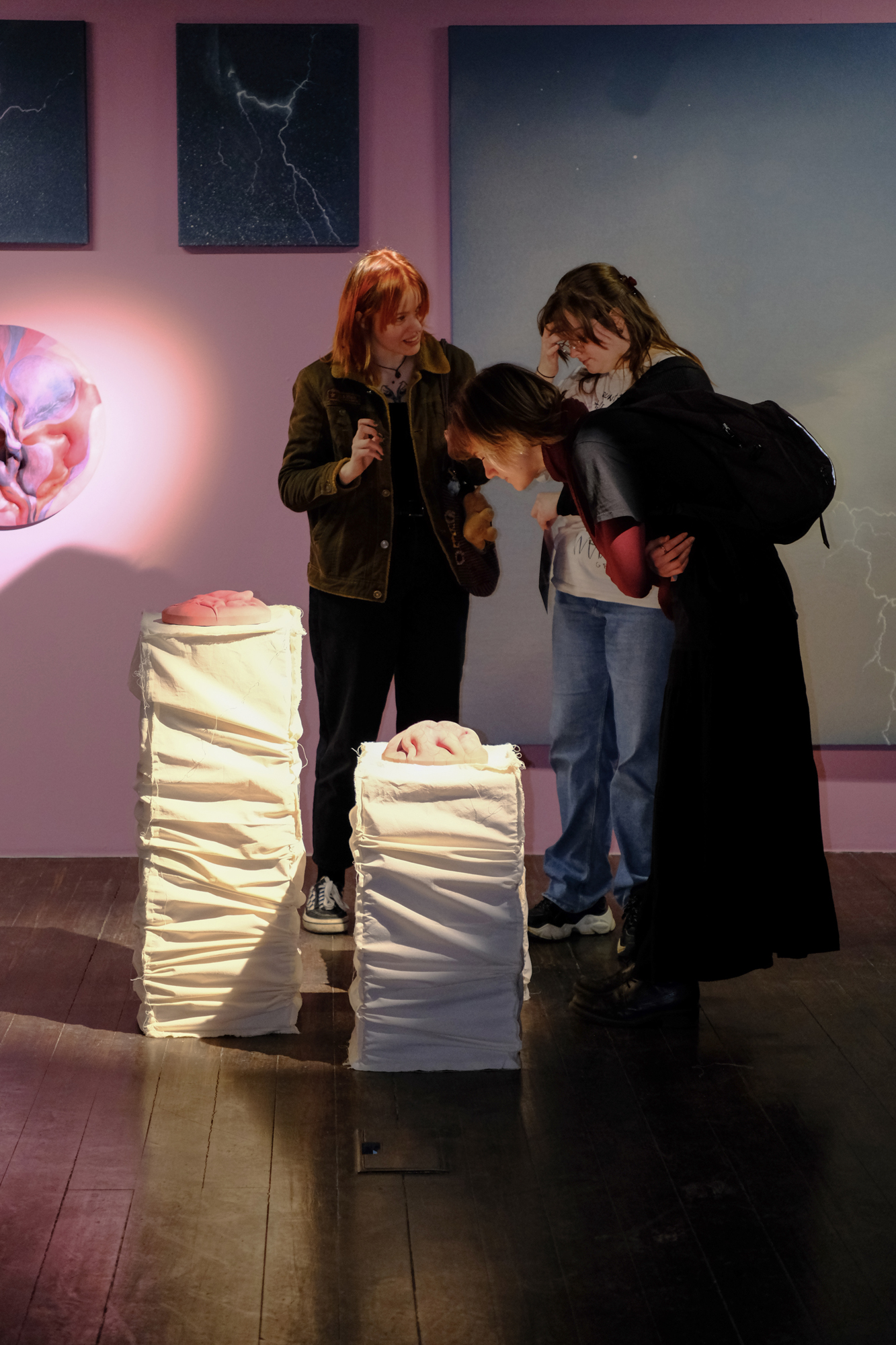
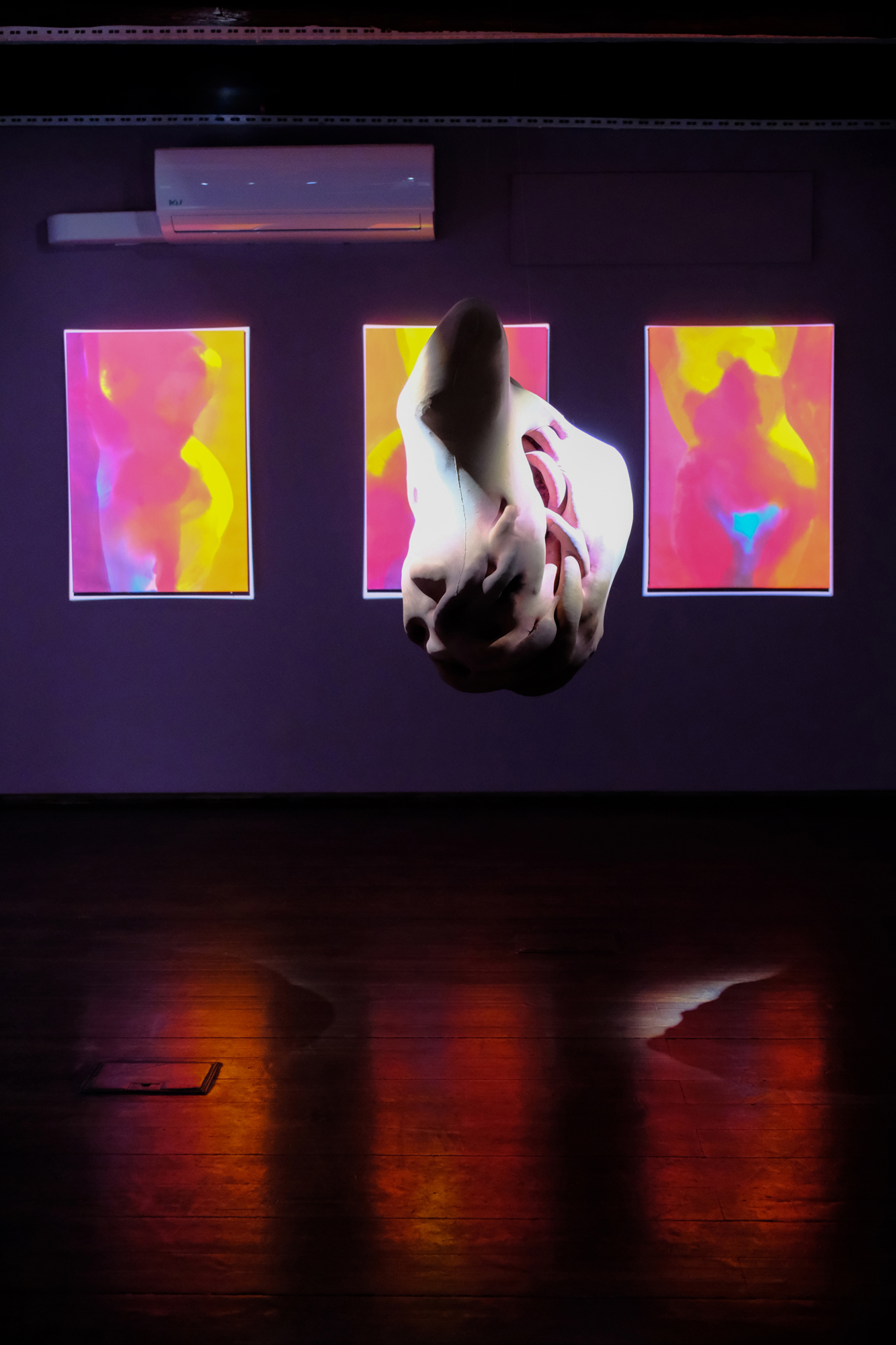
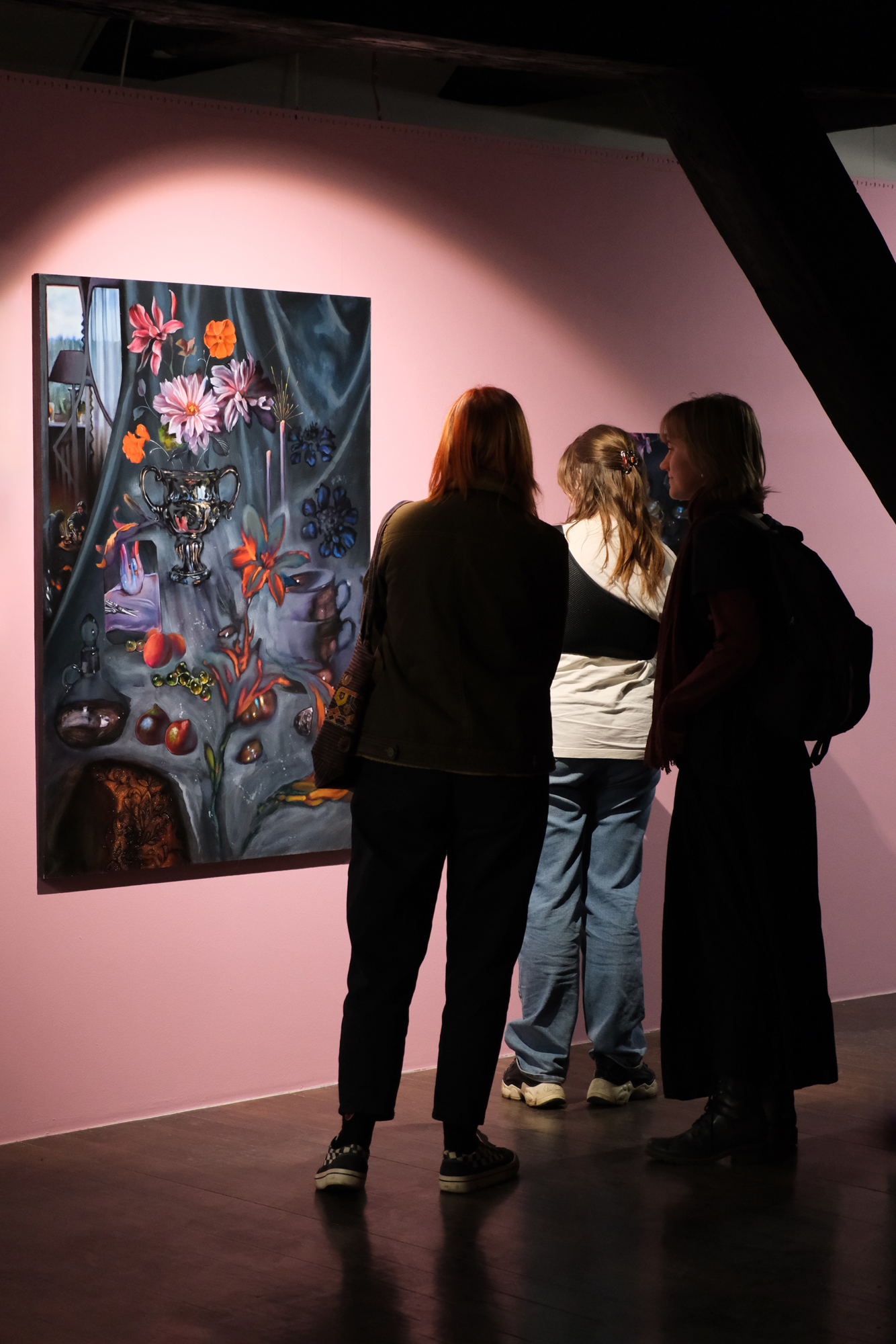
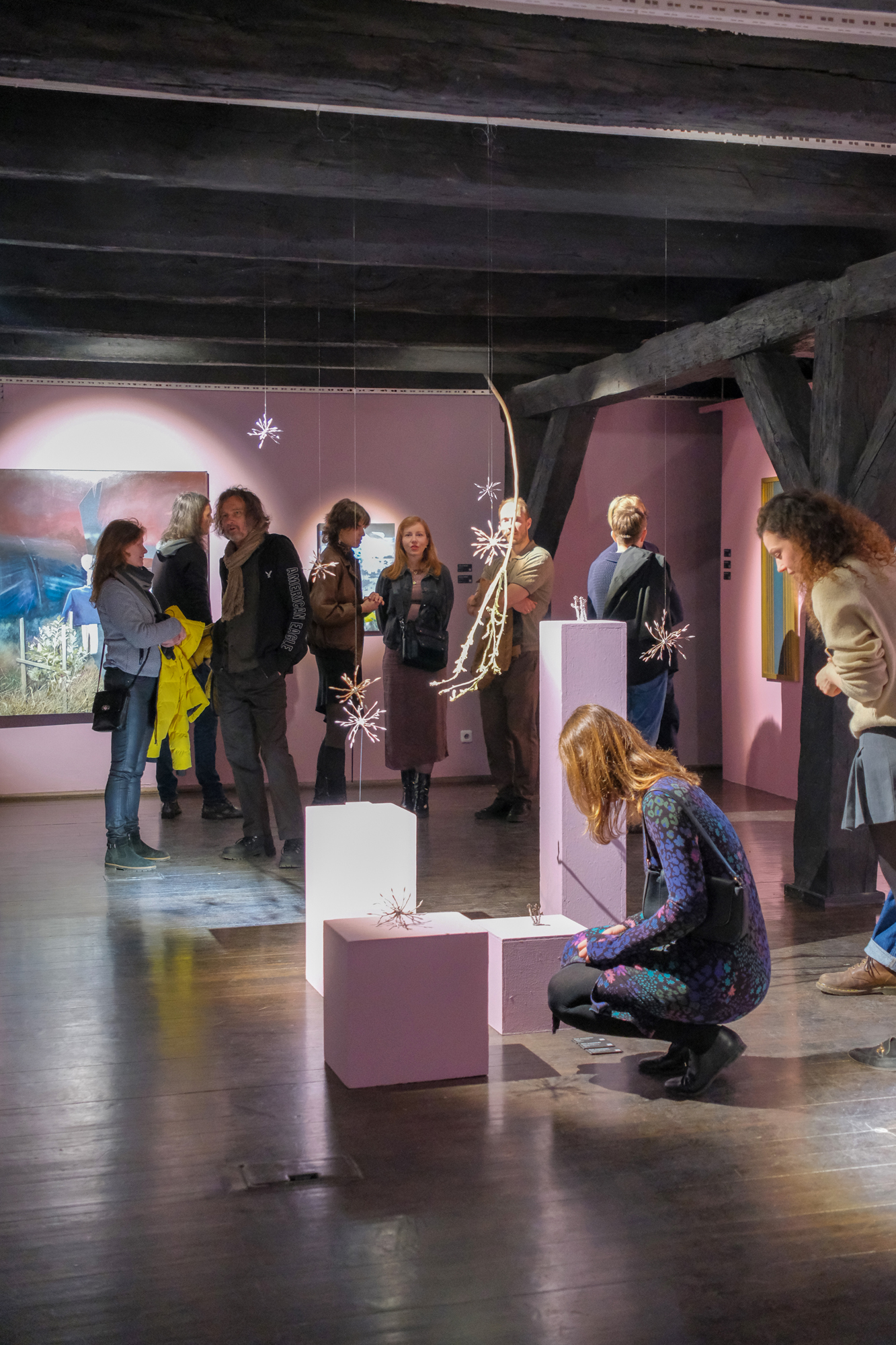
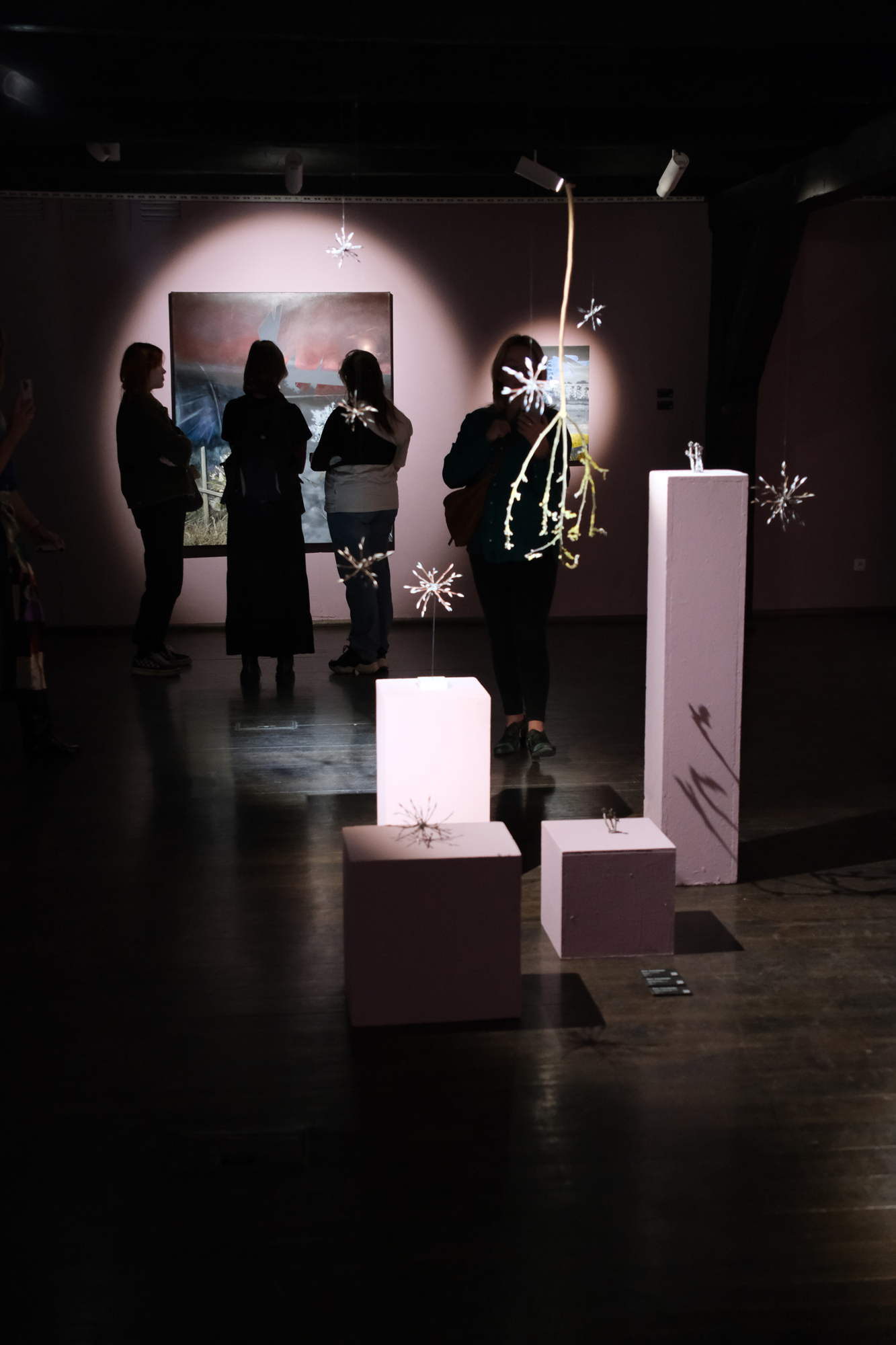
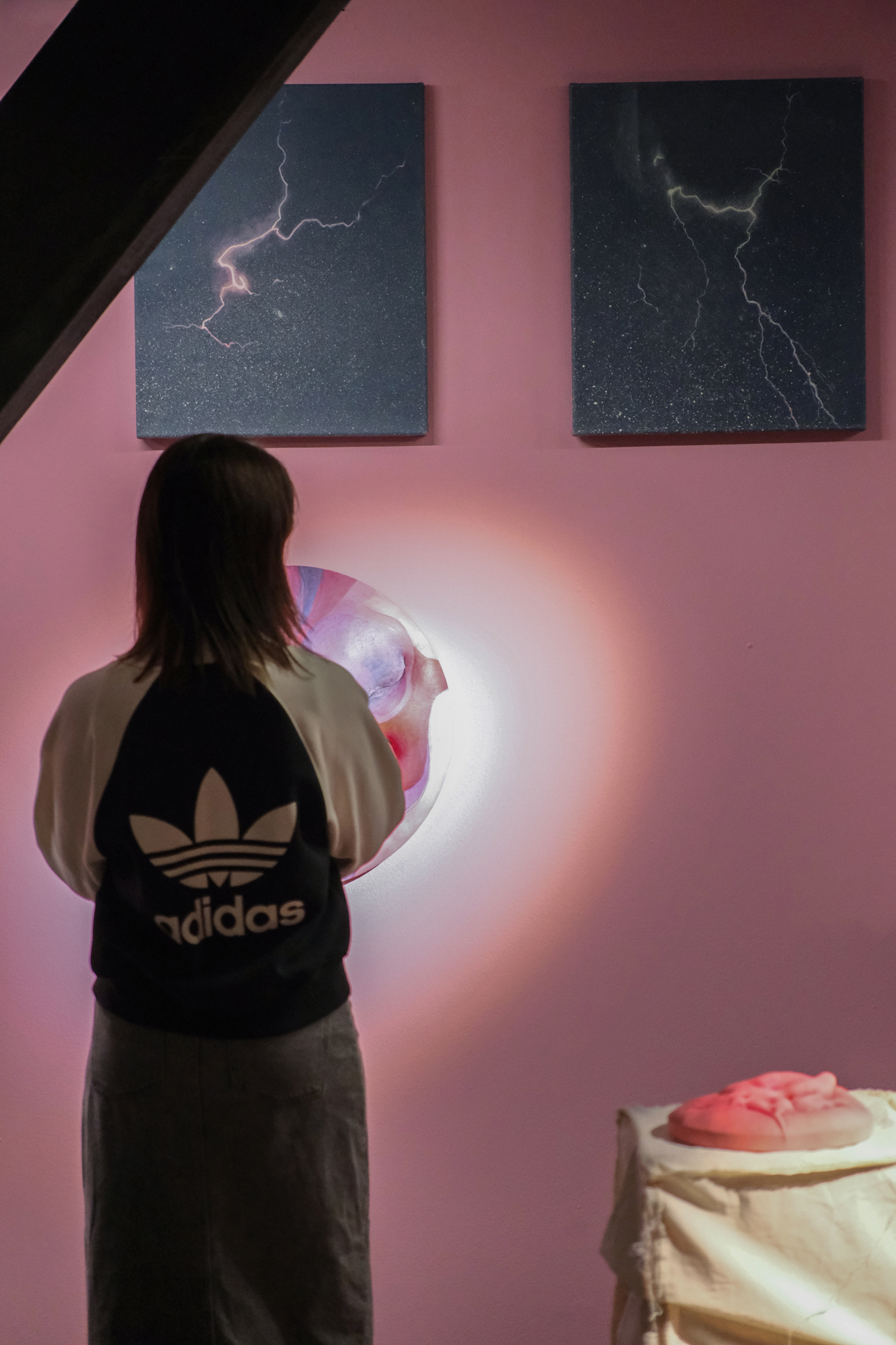
The exhibition presented at the Wozownia Art Gallery is devoted to the artistic practices of thirteen artists born between 1986 and 1994 and constitutes an independent survey of a generation. A state of affairs. Saturated with contrasts and drama, it reflects the spirit of our time – uncertain and turbulent, yet filled with a desire for life and the intensity of existence. Bio-Baroque is the dramaturgy of life and death – an exhibition, a provocation, and an invitation to look into the depths of this living decadence.
Daga Ochendowska